
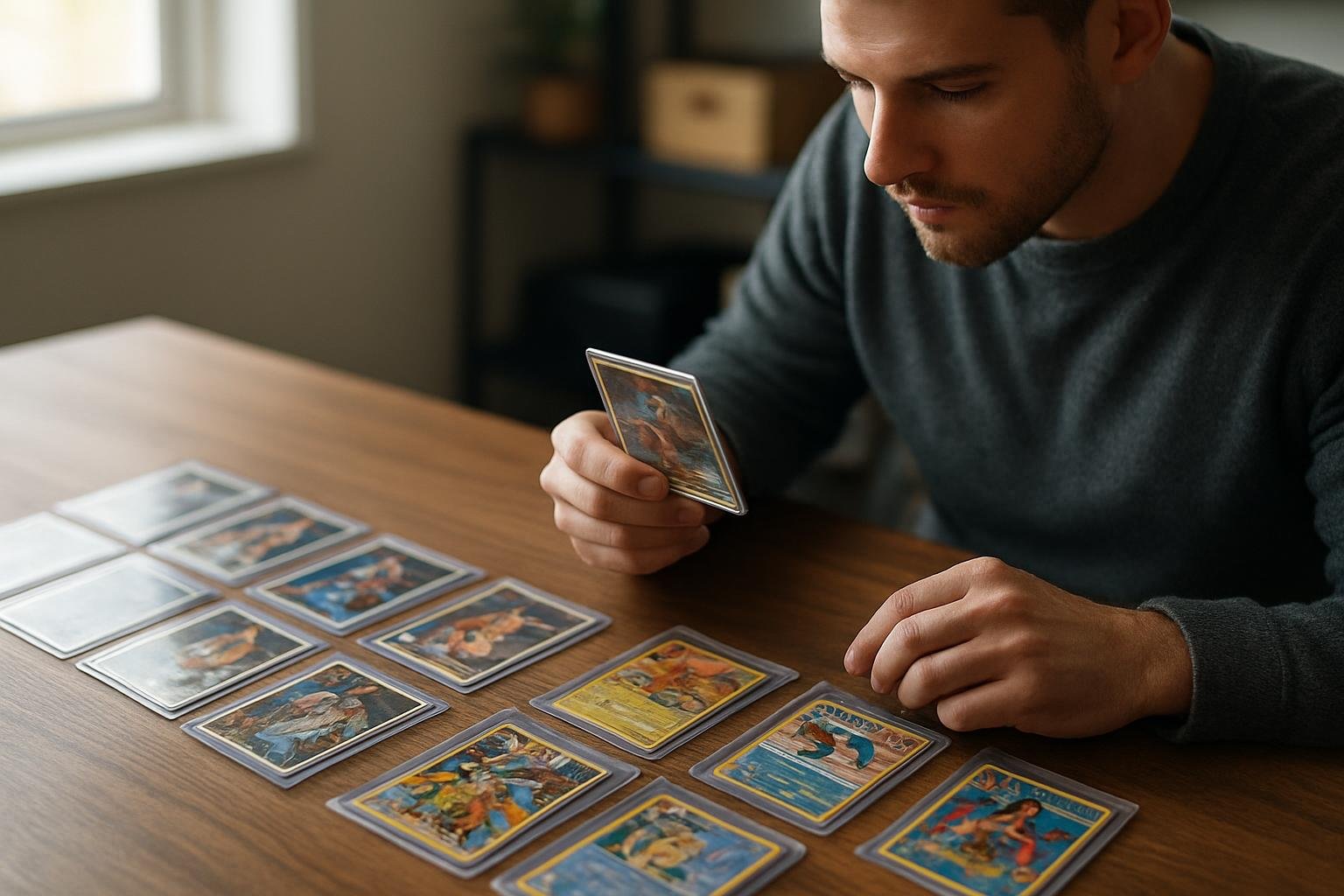
Collectors have never had more options than they do right now. Sports cards remain a cornerstone of the hobby, driven by rookie hype, legendary players, grading culture, and decades of history. At the same time, trading card games like Pokémon and One Piece have exploded into mainstream collecting, attracting both players and long-term sealed product investors.
Collectors still weighing the differences between hobby categories can get a broader market view by exploring Sports Cards VS TCG, especially when comparing demand trends, product types, and long-term appeal across modern releases.
For someone deciding where to put their money, time, and energy, the question is no longer whether collecting is worth it. The real question is which lane feels like a better fit. Sports cards and TCG collecting overlap in important ways, but they also differ in how value is created, how communities interact, and how quickly trends can change.
If you are deciding between ripping hobby boxes of rookies or hunting alt arts and chase rares, this comparison will help you understand the strengths and risks of each side of the market.
What Sports Card Collecting Offers
Sports cards are built around real athletes, real games, and real-world performance. That connection creates a straightforward narrative for collectors. When you buy a rookie card, an autograph, or a low-numbered parallel, you are buying into the story of a player and the possibility that their career will elevate the card over time.
This creates a hobby experience centered on:
- Prospect speculation based on talent, team situation, and media attention
- Legacy collecting focused on all-time greats and iconic sets
- Game-used and autograph appeal that ties cards directly to athletes
- Seasonal excitement around drafts, playoffs, awards, and record-breaking performances
Sports card value can move fast. A breakout game, playoff run, MVP race, or major injury can immediately change demand. That volatility is part of the appeal. Collectors who enjoy tracking players, studying rookie classes, and reacting to sports news often find sports cards more immersive than any other category.
What TCG Collecting Offers
TCG collecting has a different emotional engine. Instead of relying on athlete performance, it draws power from character popularity, artwork, rarity, playability, and franchise loyalty. Pokémon has a multi-generational fan base with a global collector ecosystem. One Piece has quickly become one of the most talked-about modern TCGs, thanks to a strong anime connection, competitive play, and stunning premium cards.
TCG collectors often enjoy:
- Character-driven collecting rather than player-driven collecting
- Visual appeal through alternate arts, secret rares, and special foils
- Playability when competitive decks influence card demand
- Broader age appeal ranging from children to serious adult collectors
- Sealed product interest tied to set nostalgia and franchise growth
The TCG world can feel more creative and design-forward than sports cards. A collector may buy a card because of the illustration, the rarity treatment, or the connection to a favorite character, not because of real-life stats or future Hall of Fame odds.
The Biggest Difference: What Drives Value
The clearest dividing line between these categories is how value is established.
In sports cards, value is often tied to performance
Even iconic vintage cards and established superstar cards are linked to athletic legacy. A modern player who underperforms can see prices fall sharply. A player who becomes a champion or breaks records can rise just as quickly. Sports cards reward people who understand the games, follow roster changes, and can spot talent before the broader market catches on.
In TCG, value is often tied to rarity, fandom, and desirability
A Pokémon card can become highly sought after because it features a beloved character, appears in a scarce set, has a difficult pull rate, or carries nostalgia for a specific era. One Piece cards can spike because of competitive relevance, character popularity, or simply because a premium parallel version becomes the chase card of a release.
That makes TCG collecting somewhat less dependent on unpredictable human performance and more dependent on franchise health, print run perception, and collector demand.
Entry Cost and Accessibility
For many new collectors, accessibility matters just as much as upside.
Sports cards can be expensive at the top of the market, especially when chasing elite rookies, licensed autographs, and short-printed parallels. Sealed wax from major brands can also be difficult to justify if checklist depth is weak or if the class lacks star power.
TCG products often give collectors more entry points. Booster boxes, elite collection-style products, starter decks, and promo releases can create a lower-cost path into the hobby. Of course, high-end TCG cards can become very expensive, but there is often a wider range of affordable product for casual buyers.
That said, accessibility depends on timing. Hot Pokémon or One Piece releases can become scarce quickly, and retail supply issues can make affordable products disappear fast. Sports cards face the same problem when a draft class catches fire or a product gets heavy hobby attention.
Grading Culture in Both Markets
Grading matters in both sports cards and TCG, but the psychology behind it can differ.
In sports cards, grading is deeply tied to value separation. A gem mint rookie card can sell for multiples of an ungraded copy, especially for iconic players and key sets. Surface, centering, corners, and edges all matter, but sports collectors also tend to think in terms of long-term resale and liquidity.
In TCG, grading is also important, particularly for top chase cards, vintage Pokémon, trophy-style cards, and premium modern hits. However, many TCG collectors care equally about presentation and collectability. A pristine card featuring a fan-favorite character can command strong demand even if the buyer is more focused on ownership pride than strict market timing.
Both sides of the hobby have become far more grading-aware, and condition sensitivity is now a major part of pack opening and buying strategy.
Nostalgia Plays Out Differently
Nostalgia is one of the strongest forces in any collectible market, but it behaves differently across these categories.
Sports card nostalgia is often tied to eras, teams, and specific athletes. A collector might chase cards from childhood stars, a favorite championship roster, or a classic brand design from the late 1990s or early 2000s.
TCG nostalgia tends to connect with character recognition and childhood franchise attachment. Pokémon especially benefits from this because collectors who grew up with the games, anime, or early cards have now reached peak earning years. That creates a powerful demand cycle for vintage and select modern releases.
One Piece is slightly different because its collecting rise is more recent, but it benefits from one of the most loyal fan bases in entertainment. As that collector base matures, nostalgia may become an even stronger pricing factor.
Community and Hobby Experience
Another major distinction is how collectors engage with the hobby day to day.
Sports cards are heavily tied to:
- Game results and sports media coverage
- Prospecting and talent evaluation
- Card shows, breaks, and online marketplaces
- Debates about licensing, patches, autos, and print runs
TCG communities often blend collectors and active players. That can create a more social, local, and event-driven environment through tournaments, league nights, and release-day participation. Even collectors who do not play can benefit from a game ecosystem that keeps cards relevant and introduces new audiences to the franchise.
If you enjoy strategy gameplay, deck-building culture, and fandom-centered conversation, TCG may feel more interactive. If you love sports narratives, prospecting, and player analysis, sports cards may feel more natural.
Volatility, Risk, and Long-Term Thinking
Both markets can be volatile, but they carry different kinds of risk.
Sports card risks
- Player injuries or career decline
- Overproduction in some product lines
- Short-term hype cycles around prospects
- Licensing shifts and brand changes
TCG risks
- Reprints affecting scarcity perception
- Rapid set release schedules
- Overheated modern speculation
- Demand concentrated around a few top characters or cards
Long-term collectors in either category tend to do best when they focus on quality, rarity, and genuine collector demand rather than chasing every trend. That might mean key rookie cards of proven stars in sports, or culturally important chase cards and premium sealed products in TCG.
Which Hobby Is Better for New Collectors?
There is no universal answer, because the better choice depends on what motivates you.
Sports cards may be a better fit if you:
- Follow sports closely and enjoy player evaluation
- Like collecting tied to real-world performance
- Prefer rookies, autographs, and numbered parallels
- Want a hobby with strong historical depth across many eras
TCG may be a better fit if you:
- Care more about artwork, characters, and franchise loyalty
- Enjoy opening product with broad chase appeal
- Like the option of both collecting and playing
- Prefer a market less dependent on injuries and career outcomes
Many collectors eventually realize they do not have to choose only one. A balanced hobby approach can work well, with sports cards providing performance-driven excitement and TCG offering character-based stability and broader entry points.
A Smarter Way to Compare the Two
Instead of asking which category is objectively better, ask a more useful set of questions:
- Do I enjoy the subject matter enough to stay engaged long term?
- Am I collecting for fun, for value, or for a mix of both?
- Do I prefer betting on athletes or buying into franchises and characters?
- Am I more interested in singles, sealed product, or grading plays?
- Can I stick to a budget without chasing every release?
Those answers will usually point you in the right direction faster than any trend chart or social media post.
Final Take
Sports cards and TCG collecting each offer real upside, strong communities, and plenty of ways to build a collection with meaning. Sports cards are fueled by competition, legacy, and player performance. TCG collecting, especially in Pokémon and One Piece, leans into artwork, fandom, rarity, and a broader entertainment ecosystem.
If you want a hobby rooted in real-time sports drama and athlete narratives, sports cards are hard to beat. If you want visually striking cards, franchise loyalty, and a collecting lane that also connects to gameplay and pop culture, TCG may be the better match.
The good news is that both categories reward patience, knowledge, and selectivity. In a market full of noise, the best collections are usually built by people who understand what they love and buy with purpose.
Comments